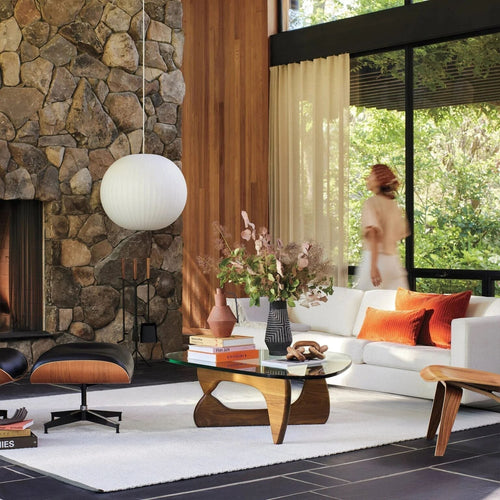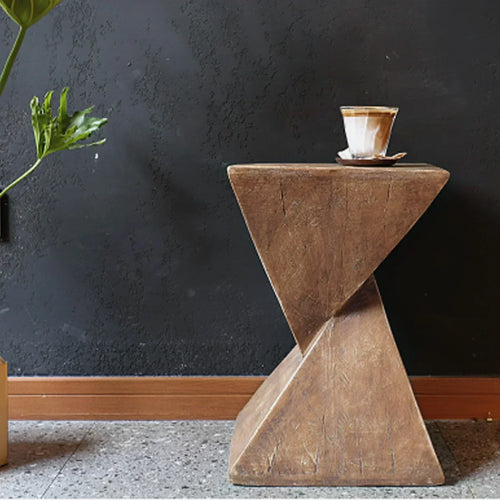

Choosing furniture is more than filling a space—it’s an investment in lifestyle, comfort, and aesthetic legacy. In an era of fleeting trends, selecting pieces that stand the test of time requires thoughtful consideration of design, craftsmanship, and functionality.
This detailed guide explores every facet of furniture selection, offering professional insights to help you curate a home that truly reflects your taste and supports your daily life.

Philosophy and Foundation – The “Why” Before the “What”
Before browsing, ask yourself key questions to define your approach:
-
Longevity vs. Trends
Are you seeking timeless elegance or contemporary statement pieces? Consider mid-century modern classics, Scandinavian minimalism, or bespoke British craftsmanship for enduring value. -
Lifestyle Alignment
Do you entertain frequently? Need child- and pet-friendly fabrics? Work from home? Your daily habits should directly inform material choices, layout, and durability needs. -
Spatial Integrity
Furniture must respect the room’s proportions. In UK homes—often characterised by period features or modern open-plan layouts—balance is key.
The Core Principles of Selection – Beyond Aesthetics
1. Scale & Proportion: The Science of Fit
- Rule of Thumb: Furniture should occupy no more than ⅔ of the floor space in a given area.
- Clearance Paths: Allow at least 60cm for walkways; ensure dining chairs can be pulled out comfortably (90–110cm behind).
- Ceiling Height: In rooms with low ceilings (common in Victorian conversions), opt for lower-profile furniture to create an illusion of space.
2. Material Mastery – What Lies Beneath the Surface
- Solid Hardwoods (Oak, Walnut, Teak): Durable, repairable, and appreciates over time. Ideal for heirloom pieces.
- Engineered Wood (High-Quality Plywood, MDF): Offers stability and is often more sustainable. Best for contemporary designs.
-
Upholstery Fabrics:
- Natural Fibres (Linen, Cotton, Wool): Breathable and elegant but may require maintenance.
- Performance Fabrics (Crypton, Sunbrella): Stain-resistant, durable—perfect for families.
- Leather: Develops a patina over time; full-grain is the highest quality.
3. The Anatomy of Quality Construction
Look for these hallmarks of craftsmanship:
- Joinery: Dovetail, mortise-and-tenon joints indicate superior construction (avoid staples or glue-only assembly).
- Frame: Kiln-dried hardwood frames prevent warping.
- Suspension: Eight-way hand-tied springs in sofas offer unparalleled comfort and longevity.
- Cushioning: High-resilience foam combined with down wrapping provides luxury and support.
4. Ergonomics & Comfort – Data-Driven Decisions
- Seating Depth: For sofas, 58–66cm is ideal for comfortable lounging; dining chairs should support 90-degree angles at knees and hips.
- Table Heights: Standard dining height is 74–76cm; coffee tables should be within 5cm of sofa seat height.
Room-by-Room Professional Insights
Living Room – The Heart of the Home
- Sofa as Anchor: Choose depth based on use (deeper for lounging, shallower for formal). Modular designs offer flexibility.
- Coffee Table Proportions: Length should be ½ to ⅔ of the sofa length; round tables soften sharp lines.
- Storage Solutions: Consider vertical units like bookcases or media consoles to maximise space without clutter.
Dining Room – Where Function Meets Form
- Table Size: Allow 60cm per place setting; extendable tables suit evolving needs.
- Chair Comfort: Upholstered seats enhance long dinners; armchairs can anchor the table ends.
- Lighting: A pendant should hang 75–90cm above the table, with a diameter 30cm less than the table’s width.
Bedroom – Sanctuary and Storage
- Bed Size Upgrades: In the UK, consider European sizes (e.g., 160cm wide) for enhanced comfort.
- Mattress Support: Ensure bed frames have centre support legs and adequate slat spacing (<7cm).
- Storage Calculation: Aim for linear storage equivalent to 2–3m per person.
Home Office – Productivity by Design
- Desk Dimensions: Minimum depth 60cm; consider standing desk options for health benefits.
- Ergonomic Seating: Adjustable lumbar support and seat depth are non-negotiable for long hours.
- Ambient Lighting: Layer task lighting with indirect ambient sources to reduce eye strain.
Sustainability & Ethical Considerations for the Modern Consumer
- Material Sourcing: Look for FSC-certified wood and OEKO-TEX certified fabrics.
- Local Craftsmanship: UK-made furniture reduces carbon footprint and supports regional artisans.
- Lifecycle Thinking: Invest in modular, repairable designs that adapt to future needs rather than disposable flat-pack alternatives.
Budgeting Smart – The Cost-Per-Use Equation
View furniture through the lens of cost per use over 10–20 years:
- Splurge on items used daily (sofas, beds, dining tables)—prioritise quality construction.
- Save on accent pieces (side tables, decorative chairs) where trends may shift.
- Consider outlet sales, antique markets, or customisable modular systems for value.
FAQ – Addressing Common Dilemmas
Q1: How can I mix different furniture styles without creating visual chaos?
A: Use a unifying element such as colour, material, or era. For example, pair a modern sofa with traditional wooden chairs by selecting pieces that share a similar walnut finish or muted tone.
Q2: What’s the biggest mistake people make when choosing a sofa?
A: Prioritising looks over comfort. Always test in person, considering seat depth, cushion firmness, and back support. For UK homes, also measure doorways and staircases to ensure delivery feasibility.
Q3: How do I know if a piece is truly high quality?
A: Inspect the underside and back—quality manufacturers finish every surface. Check drawer glides, hinge mechanisms, and finish consistency. Weight is also a good indicator—solid materials feel substantial.
Q4: Is it worth investing in custom-made furniture?
A: For unique spaces or specific ergonomic needs, yes. Bespoke pieces ensure perfect proportions, material selection, and personalisation. However, lead times can be longer (often 8–12 weeks in the UK).
Q5: How can I future-proof my furniture choices?
A: Opt for neutral foundations (e.g., a neutral sofa, wooden dining table) and introduce trends through easily changeable elements like cushions, rugs, or art. Prioritise versatility and adaptability.
Final Thoughts: Curating a Home with Intention
Furnishing a home is a journey, not a destination. By embracing a balance of aesthetic appeal, structural integrity, and personal functionality, you create an environment that not only impresses but enriches daily life.
Remember: the best interiors tell a story—yours should be written with pieces chosen not just for today, but for the years to come.
Ready to transform your space with intention? Explore Orangme‘s curated collections, or schedule a consultation with our interior specialists to begin your journey toward a thoughtfully furnished home.