
The right dining chair blends comfort, style, and durability. If you regularly host dinner parties, prioritise stackable and 'easy-clean' finishes.
Performance fabrics and boucle wipe clean and shrug off spills, while leather and today's high quality faux hides mellow into a rich patina with time and use. Chairs constructed with mortise-and-tenon or dowel construction distribute stress evenly to resist loosening and warping.
How tall is a dining room chair?
Dining chair height is a key consideration for establishing proportional balance and promoting comfortable use. A standard seat height is 18 to 19 inches from floor to top of chair, which enables feet to rest flat on the ground and knees to bend at a relaxed 90-degree angle. With this setup, people can reach their plates without hunching over or straining, which is ideal for long meals and refined entertaining alike.

Besides physical clearance, visual weight also plays an important role in how balanced and inviting a seating arrangement feels. To help moderate overall density, many of our dining chairs incorporate features like gently rounded forms and subtly tapered legs. This approach is especially effective in rooms anchored by substantial dining tables, where lighter silhouettes prevent the table’s structural presence from overwhelming the surrounding space. Our Rita Dining Chairs in Taupe, for instance, harmonize effortlessly with their tabletop counterparts, bringing both structure and softness to the room.
The design of a dining chair’s frame plays an equally vital role in its longevity and adaptability. Sturdy, load-bearing materials like carefully engineered hardwoods provide dimensional stability and resist the stress of everyday movement and shifting loads. These qualities also allow chairs to maintain their appearance and function over time, while minimizing the need for frequent replacements or repairs.
Beyond structural integrity, a dining chair’s form and silhouette also set it apart from other designs. While upholstered seating options lend themselves to many aesthetics, wood and metal chairs are more specific in their appearance, often featuring clean lines and solid hues. This distinction makes them easier to coordinate with existing decor, while still providing a unique style statement.
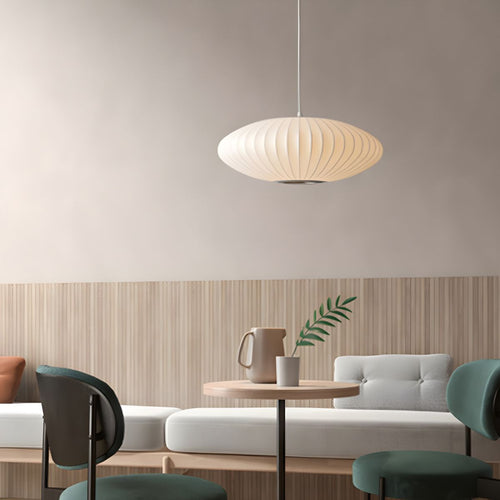
Whether you’re seeking a modern, contemporary or rustic aesthetic, we have a wide range of dining chairs to suit your design. For a modern and minimalist aesthetic, look for sleek silhouettes and neutral tones; for a more traditional feel, explore curved silhouettes and rich colors. Alternatively, you can opt for a chair with a more abstract form, such as our Lombard Dining Chair in Teal, which blends an artistic geometry with a durable metal construction.
What material is the seat made of?
The fabric used to upholster a dining chair has an important impact on its aesthetic, comfort and durability. There are many upholstery options, including natural, synthetic and blended fabrics. Each offers a unique look and feel, catering to specific design styles and needs. The right choice can ensure the chairs remain comfortable and beautiful for years to come.

Natural materials like jute and cotton add organic style to any space, while linen and hemp provide a sleeker appearance that pairs well with modern interiors. If you prefer an elegant dining room look, choose upholstered chairs with fabric that matches your tablecloth. You can also choose a neutral color that complements the floor and walls for a cohesive space.
Leather dining chairs are an option that’s popular for formal spaces. The material is durable and has an upscale appeal. However, it requires regular upkeep to keep it looking new. If you want a leather dining chair with the benefits of stain resistance, consider pigmented leather. This material has a polymer surface coating that resists liquids and oil-based food spills.
Synthetic upholstery fabrics such as olefin and polyester are highly durable for dining chairs. They can hold up to repeated sitting and cleaning, making them the ideal choice for busy households. Select fabrics that have the W or WS cleaning code for safe water-based stain removal. The Wyzenbeek abrasion test and industry-standard maintenance codes are other important evaluations to consider when shopping for heavy-duty upholstery.
If you’re interested in purchasing a set of dining chairs, ask the retailer for fabric samples to test how the material performs under everyday use. Consider how easy it will be to clean the seats and how comfortable they’ll feel during long dinner conversations. Breathable fabrics help prevent that stuck-to-the-seat feeling in the heat of summer.
For the ultimate in dining room seating, look for woven fabrics with built-in stain resistance. Sunbrella performance fabrics use a patented immersion process called Crypton to seal moisture and odor protection into the individual fibers. This technology makes the fabrics stain-resistant, even without the need for commercial chemical sprays. These woven fabric options are more expensive than untreated natural woven fabrics, but they have a luxurious appearance and last up to 10 times longer.
How to clean dining chair fabric
Whether upholstered in fabric or covered in leather, dining chair cushions attract dust, dirt, food crumbs and spills that must be cleaned. Regular cleaning helps keep your chairs looking great and extends their lifespan. However, it’s important to understand how different materials react to certain cleaners and cleaning methods. This will help you choose the right cleaners and avoid any damage or discoloration to your chairs.
Start with a thorough vacuuming, using the upholstery attachment on your handheld vacuum cleaner for easy maneuvering. This removes loose debris, preventing it from scratching the seat surface or embedding in the cushion fabric. Check the care label for your fabric, as most come with specific cleaning instructions that dictate which cleaners are safe to use. Many fabrics can be cleaned with mild detergents, while others are best treated with specialized sanitizers and solvents.
Be sure to test any cleaning solution on a small corner of your chair to ensure it won’t cause any damage or discoloration. If you’re not comfortable with testing your fabric, you can also opt for a water-based refresher spray that won’t require any additional chemicals. However, you should only apply these sprays to a clean, damp microfiber cloth and not directly onto the cushion fabric itself. Doing so could lead to oversaturation and watermarks.
After cleaning the seat, blot it dry with a clean, damp cloth to prevent moisture from setting in and promoting mold and mildew growth. If you see any stains, treat them immediately with a mild solvent or sanitizer. White vinegar has antimicrobial properties that kill bacteria and odors, while hydrogen peroxide is an effective bleach for whitening discolored fabrics. Club soda can also lift stains, as the carbonation works to break down oil and other stubborn substances.
Once your seats are fully dry, you can return them to their frame and replace the cushion covers. If your cushion filling has lost its plumpness over time, you can fluff and shake them to redistribute the material. You should also re-inflate any air pockets to help the cushion maintain its shape.
How to choose a dining room chair?
Choosing the right dining chairs is an opportunity to define the entire space and create a dining room that is welcoming, comfortable and stylish. Whether hosting a quiet family meal or a lively dinner party, the right chairs will support your lifestyle and bring functionality to the table. While style is an important factor, comfort should be the ultimate consideration for your dining chairs. If possible, "try before you buy" by pulling a candidate chair up to your table and sitting for several minutes. Pay attention to how the chair feels on your back, thighs and feet to ensure that it encourages natural posture and doesn't leave you feeling fatigued after prolonged use.

The material of your dining chair should also consider your needs and preferences. For example, if you have young kids or pets, look for stackable dining chairs with wipeable upholstery and durable construction that stands up to daily wear and tear. Performance fabrics, like Castlery's Anya, are the most forgiving — spills wipe up quickly and they're machine-washable according to care instructions. Wood is another option that can endure spills and stains while adding warmth to a room. Its sturdy build is further reinforced by mortise-and-tenon or dowel joints.
Visual weight is a key consideration, too. Heavily upholstered dining chairs can overwhelm smaller rooms, but those with softly rounded forms and subtly tapered legs offer a more moderate silhouette that harmonizes well with the table's mass and enhances spatial cohesion. For example, the oak dining chairs in our collection — such as the elegant Rita — balance lightness with structural presence.
Finally, don't forget to leave sufficient legroom for everyone at the table. An ideal seating arrangement leaves about 24 in | 61 cm between each chair and the table to allow for knees to cross and elbows to extend.